

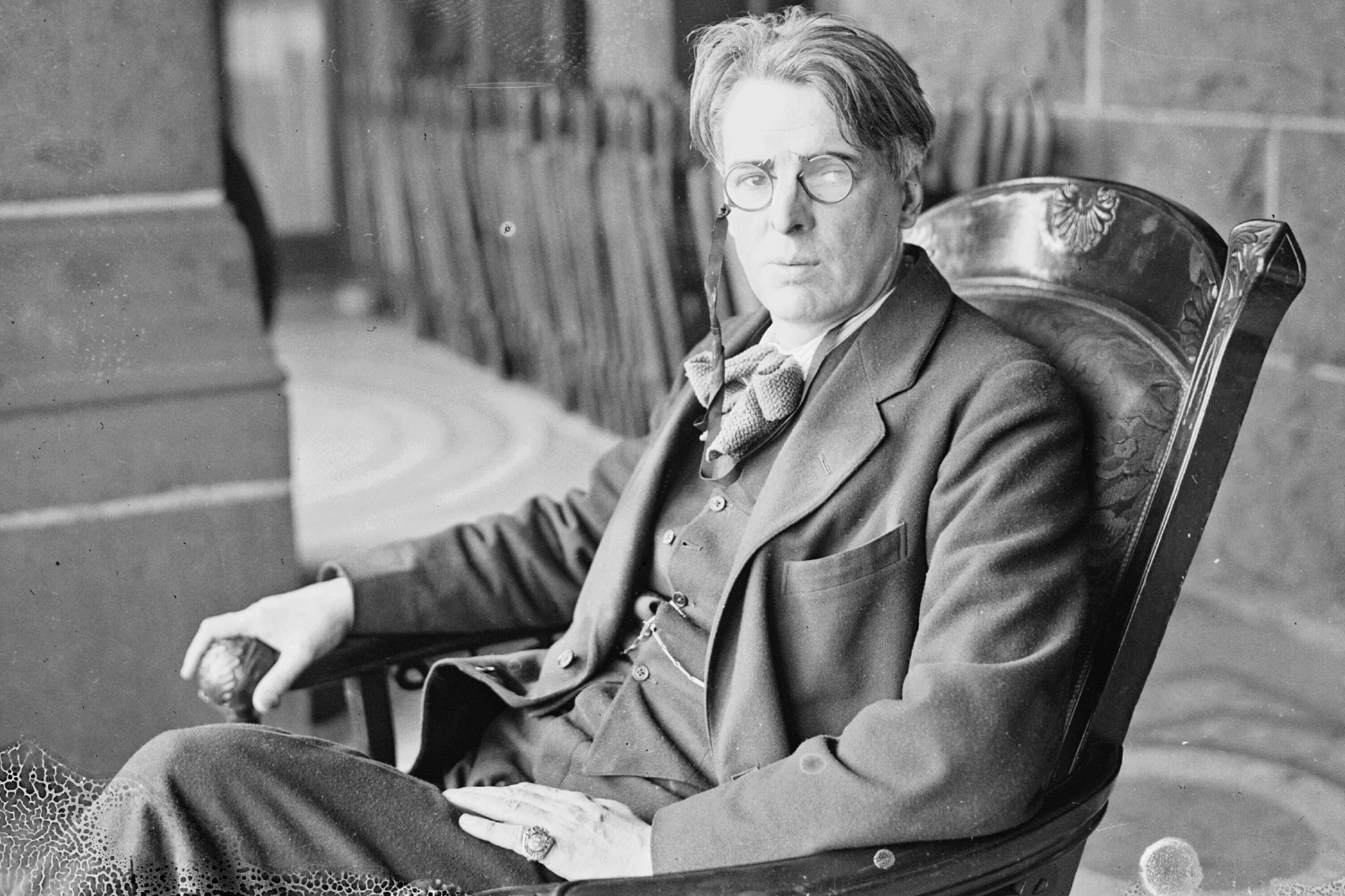
William Butler Yeats was a famous English poet of Irish background. He was born in 1865 and died in 1939. He was a front-rank poet in twentieth-century literature. He was awarded the Nobel Prize in Literature in 1923. He was a senator in the Irish Free State.
From an early age, he was fascinated by Irish legends. He became a part of the Irish Literary Revival. His major poetic works include The Land of Heart’s Desire (1894), Deirdre (1907), The Wild Swans at Coole (1919), The Tower (1928), and Last Poems and Plays.
Yeats had a lifelong interest in mysticism, spiritualism, occultism, and astrology. He read extensively on these subjects. He became a member of the Ghost Club in 1911. In 1892, W.B. Yeats wrote, “If I had not made magic my constant study, I could not have written a single word of my Blake book, nor would The Countess Cathleen ever have come to exist.”
“The mystical life is the centre of all that I do and all that I think and all that I write.” Yeats was also interested in Hinduism, inspired by the theosophist Mohini Chatterjee. All these developments influenced his late poetry.
We rode in sorrow, with strong hounds three,
Bran, Sceolan, and Lomair,
On a morning misty and mild and fair.
The mist-drops hung on the fragrant trees,
And in the blossoms hung the bees.
We rode in sadness above Lough Lean,
For our best were dead on Gavras Green.
Yeats was a symbolist poet. He was not a supporter of free verse. He was a master of traditional forms. The preface for the English translation of Gitanjali by Rabindranath Tagore was written by Yeats in 1913, and Gitanjali (Song Offering) got the Nobel Prize in 1913.
Yeats’ The Second Coming is a hint of the decline of European civilization. It also expresses Yeats’ apocalyptic mystical theories.
The metaphysics of his late poetry should be read in tandem with his A Vision (1925), which is a system of esoteric fundamentals.
Some famous lines of Yeats are —
- Things fall apart; the centre cannot hold. Turning and turning in the widening gyre. The falcon cannot hear the falconer. (The Second Coming)
- How can we know the dancer from the dance? (Among School Children)
- An aged man is but a paltry thing.
- Once out of Nature I shall never take
My bodily form from any natural thing,
But such a form as Grecian goldsmiths make
Of hammered gold and gold enamelling
To keep a drowsy emperor awake;
Or set upon a golden bough to sing
To lords and ladies of Byzantium
Of what is past, or passing, or to come.
(Sailing to Byzantium)
W.B. Yeats was a real poet.
He thinks like a wise man, but expresses like common people.
(The views expressed are the writer’s own.)
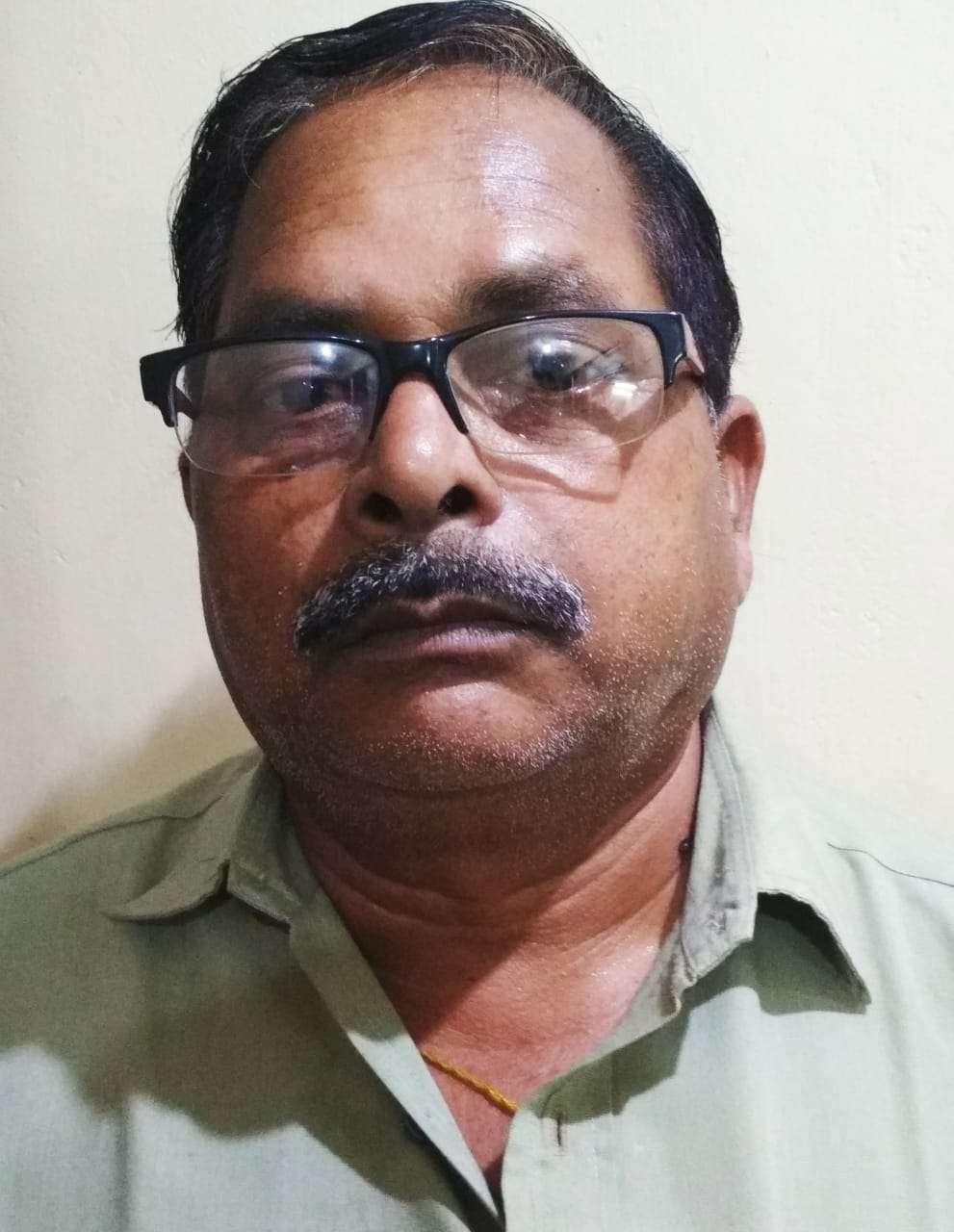
Radhakanta Seth is a Former Income tax officer in Sambalpur. He is a Freelance writer and his articles have been published in some Oriya dailies like Sambad, Samaj, Dharitri and English dailies like The Telegraph and in a sociological journal ‘Folklore’ published from Kolkata.
(Photo has collected from net )