

On March 11, the Classical Odia Language Day, he called me up in the late evening. He had attended the celebration at an academic institution during the day. The speakers spoke at length about how Odia met the requirements for Classical Language status and the effort that went into preparing the relevant documents. He was rather sceptical that seminars, special lectures, etc., on such occasions have served the desired purpose. These have been organised since 2015, but very, very few people, even in the big cities of Odisha, know, as of now, that Odia is a classical language, and what it means for a language to be called a classical language. Apart from this, the number of readers of our classical literature has not increased after the language was accorded Classical Language status. A friend from Cuttack, who lives in the US, was unenthusiastic about celebrating the Classical Odia Language Day because he felt that the Odias are indifferent towards their own language—not the diasporic Odias, but the Odias living in Odisha. He said what has often been said: for example, parents of all economic classes prefer to send their children to English-medium schools; economically comfortable parents want their children to speak English even at home; parents want English introduced in the Class I curriculum, etc. However, he said something not usually included in conversations on this subject: that the well-known bookshops in Bhubaneswar and Cuttack display books in English more prominently than those in Odia.
I asked my friend from Bhubaneswar whether he thought that the Odias knew that Odia is a “scheduled language”. It is most unlikely, I told him, that many would. Those directly concerned with language issues and education would know, I said. He agreed. If that is indeed the case, it should not surprise us that people in general in Odisha do not know that their language is a “classical language”. Odia became a scheduled language seventy-five years ago; it became a classical language only twelve years ago.
Language matters are not the common person’s concerns. Language enters the public consciousness when it touches day-to-day life. A scheduled language does so, as the language of education and administration in the respective State. On the contrary, classical language status has no functional significance; it is a recognition of the language, honoured with this tag, for its long ancestry and the richness of its literature in the ancient and medieval ages. Now, if people of Odisha are unaware that Odia is a scheduled language, despite its functional role, should it surprise anyone that they do not know that their language has been accorded classical language status?
My friend was right that prestigious status did not prompt people to turn to “reading” classical literature. But it cannot be said that people are disconnected from classical literature. Jagannath Dash’s Srimad Bhagabata and Balaram Das’s Lakshmi Purana have been popular for centuries. Many today are, and many in the past were, familiar with some of the Osha-brata kathas and Mahatmyas, both of which belong to the category of minor Puranic literature. Such works have reached people as stories, and by listening to their recitations rather than reading them, they have acquired knowledge of these classical works. True, they have not engaged with these as literary works; they are not expected to. Those who have a scholarly interest would be. Now, it would be unrealistic, I told my friend, to expect a dramatic increase in scholarly engagement almost immediately after the recognition of the greatness of Odia classical literature.
You might find it odd that I have not mentioned the Mahabharata and the Ramayana in the discussion of our classical texts. Most people know stories from these works, mainly from their abridged prose versions in Odia and English and from popular discourse on these great Sanskrit classics. Now, neither the abridged versions nor the discourses are based on the Odia classical texts, Sarala Mahabharata by Sarala Das and Jagamohan Ramayana by Balaram Das. So, I am not unjustified in saying that the Odias are unacquainted with these great classical texts, which are part of their literary heritage.
I told my US-based friend that I understand his disappointment, but that is no reason for him not to celebrate the Classical Odia Language Day. “Think of this,” I told him: “a hundred and seventy years ago, some influential quarters attempted to persuade the British administration to deny Odia the status of a separate language, and at one point in time, the colonial administration was inclined to accept that position. Fortunately, thanks to the intervention of some knowledgeable officers at higher levels of administration, that effort failed, and Odia was declared a separate language.”
“Now,” I added, “a hundred and seventy years later, the same language, whose existence was at stake, is accorded the prestigious status of a classical language by the Government of India. Isn’t this something to celebrate for an Odia speaker?” My friend didn’t say anything. There was no need for words. His facial expression said it all.
The celebration of Classical Language Day would have the important consequence of informing people that they speak a classical language. Year to year, the word would spread, and more and more people would know this fact about their language. This year, Odia print media have admirably covered the celebration of Classical Odia Language Day. I understand that the State Government had instructed the relevant institutions to celebrate the occasion.
For the celebration to have real substance, much needs to be done. For instance, higher education institutions in the state should encourage research, including interdisciplinary research, on the classical period in Odia. Innovative research on heritage literary works would explore them as knowledge literature, not only imaginative literature. Postgraduate departments of Odia should consider including a paper on the classical period in Odia in the curriculum.
Such efforts are the need of the hour to meet the challenge of the recognition of Odia as a classical language.
(The views expressed are the writer’s own)
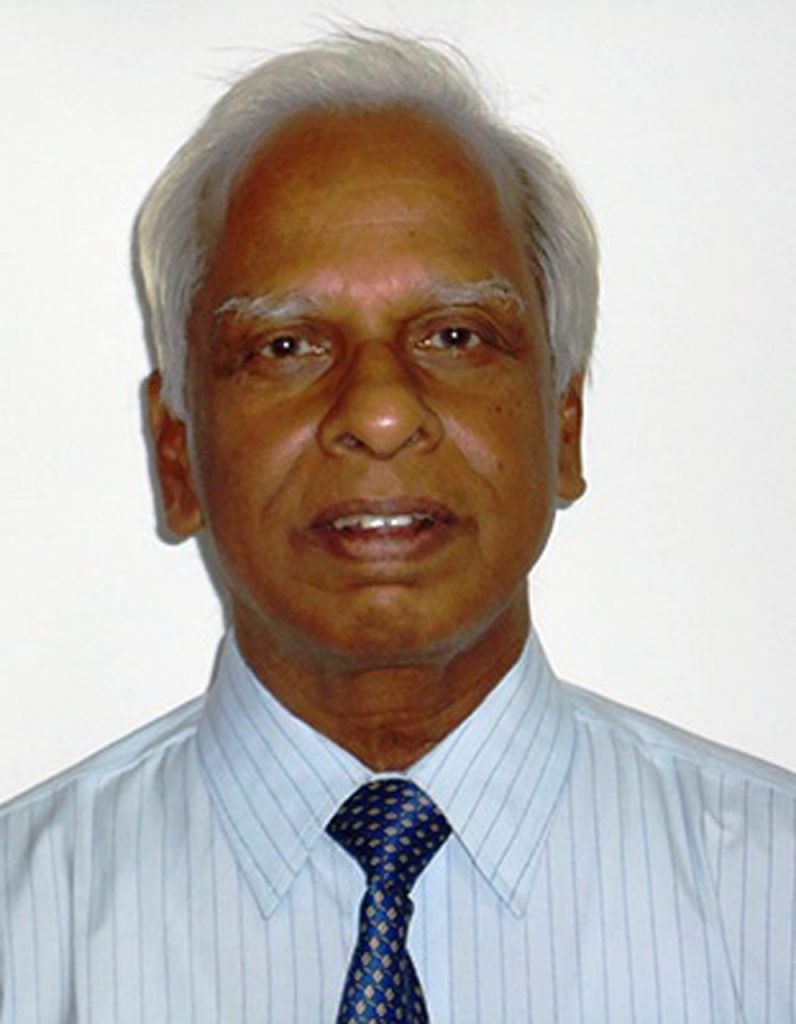
Prof. B.N.Patnaik
Retd. Professor of Linguistics and English, IIT Kanpur
Email: bn.patnaik@gmail.com
(Images from the net)