

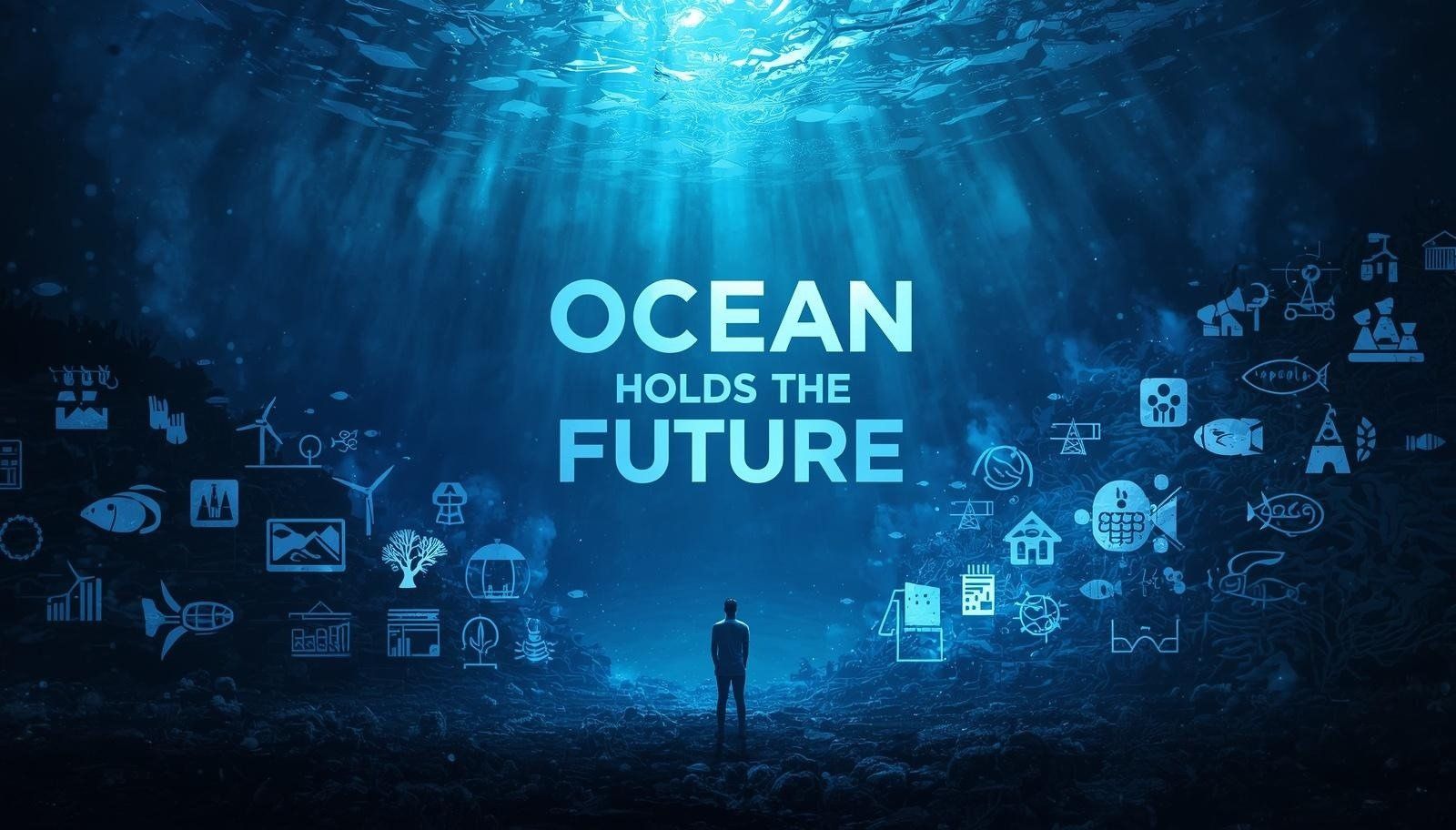
The world’s oceans and aquatic ecosystems are vast, unexplored frontiers that hold immense potential to address pressing global challenges, including food security, energy scarcity, climate change, and human health. As the global population approaches 8 billion, the demand for resources is escalating, putting immense pressure on terrestrial ecosystems. Oceans, covering over 70% of the Earth’s surface, offer a largely untapped reservoir of resources that can help meet these demands sustainably.
Medicines from the Sea
Oceans are a treasure trove of medicines, with many species yielding life-saving compounds. Researchers have discovered numerous antibiotics, anti-cancer agents, and treatments for diseases in marine organisms. For instance, coral reefs produce compounds that combat malaria and cancer. The marine-derived antibiotic cephalosporin has revolutionized the treatment of bacterial infections. Similarly, the discovery of anti-cancer compounds in sea sponges has led to the development of new chemotherapy agents.
The marine pharmaceutical pipeline is vast, with over 1,000 compounds currently in development. However, the exploration of marine biodiversity for medicines is still in its infancy, with only a fraction of marine species screened for potential benefits. Governments and industries must invest in marine biotechnology research to unlock the full potential of ocean-derived medicines.
Biofuels from Aquatic Biomass
Aquatic biomass can be converted into biofuels, offering a renewable energy source. Algae and seaweed are promising feedstocks for biodiesel production, reducing dependence on fossil fuels. Biofuels from algae can achieve high yields, with some species producing up to 30 times more oil per hectare than terrestrial crops.
The development of algae-based biofuels is gaining momentum, with several commercial-scale projects underway. However, challenges persist, including optimizing production costs, improving harvesting technologies, and addressing land-use competition. Governments must provide policy support and incentives to encourage the growth of the marine bioenergy sector.
Energy from Oceans
Oceans offer various forms of renewable energy, including tidal, wave, and thermal energy conversion. Tidal power plants harness predictable tidal cycles, generating electricity with minimal environmental impact. Wave energy converters capture the kinetic energy of ocean waves, providing a reliable power source for coastal communities.
Ocean thermal energy conversion (OTEC) utilizes temperature differences between surface and deep-sea waters to generate electricity. OTEC plants can provide baseload power, addressing energy security concerns in tropical regions. However, the development of ocean energy technologies is still in its early stages, requiring further research and investment.
Food Security and Nutrition
Aquatic foods are a critical component of global food security, providing 17% of global animal protein intake. Oceans are a rich source of nutrient-rich foods, including fish, shellfish, and algae. Aquaculture, or fish farming, has emerged as a significant contributor to global food production, accounting for over 50% of aquatic food production.
Sustainable aquaculture practices can enhance food security while minimizing environmental impacts. Integrated multi-trophic aquaculture (IMTA) systems, which cultivate multiple species together, can reduce waste and promote ecosystem services. Governments and industries must prioritize sustainable aquaculture development, investing in research, regulation, and capacity building.
Other Ecosystem Services
Oceans provide numerous ecosystem services, including climate regulation, coastal protection, and recreation. Coastal ecosystems, such as mangroves and coral reefs, offer critical habitat for marine biodiversity and protect shorelines from storms.
Tourism and recreation are significant contributors to coastal economies, generating revenue and employment opportunities. However, unsustainable tourism practices can degrade marine ecosystems, emphasizing the need for responsible management and conservation.
Sustainable Management and Conservation
To harness ocean resources sustainably, effective management and conservation are crucial. Governments, industries, and civil society must collaborate to establish and enforce regulations, protecting marine ecosystems from overexploitation.
Marine protected areas (MPAs) are a key conservation tool, safeguarding biodiversity and ecosystem services. The implementation of ecosystem-based management approaches, which consider the interconnectedness of marine ecosystems, can promote sustainable resource use.
The Way Forward
Harnessing ocean resources sustainably requires a concerted effort from governments, industries, and civil society. Priorities include:
- Investing in marine research and development to unlock the full potential of ocean resources.
- Implementing sustainable management and conservation practices to protect marine ecosystems.
- Promoting equitable access to ocean resources, ensuring benefits are shared by all.
- Fostering international cooperation to address global challenges and promote sustainable ocean governance.
By leveraging ocean resources wisely, we can address pressing global challenges while preserving the health of our planet for future generations.
(The views expressed are the writer’s own)

Manoj Kumar Panda, Principal, Zenith Lions Gurukul, Padampur
Manoj Kumar Panda is an erudite scholar and prolific freelance writer in English and Odia. His intellectual pursuits encompass sociocultural, economic, literary, historical, and analytical explorations, yielding a motivational book, “Fuel for the Fire: Ignite your Passion and Purpose”, and a plethora of thought-provoking articles.
His oeuvre showcases his fascination with deciphering the intricacies of human society and culture. As the Principal of Zenith Lions Gurukul, he persistently motivates and molds young minds, while relentlessly pursuing his literary endeavors.