

Ever since my childhood days, I have had the pleasure of growing up in an atmosphere of drama and music. In our locality of the city, a group of enthusiastic youth, in addition to their studies, engaged themselves in regular theatrical activities. Some of them wrote very good scripts while others were fine actors. Artists from neighbouring districts also joined the group, which added variety to drama. They did manage to stage one or two plays a year. Sometimes they made provision for tickets, while at other times managed the expenditure with collection of funds. But their motive was not to earn money, but to pursue their interests in theatre.
As a child, their plays did interest me, and along with other children of the locality, I sat for hours together to watch their rehearsals. They did deploy stage actresses and often invited cine stars to watch them perform on stage. Such was their passion for drama. But nobody could pursue such a career until and unless he was a professional. After all, they had to pursue and complete studies, look for jobs, and take care of families.
Actually, there were almost no professional artists then, except for those having been attached to the professional stage and opera parties. At that time, it was also not possible to earn a living as a professional from theatrical activities, although in bigger towns and cities, professional theatre did survive and artists could earn something. It is because of the uncertainty that guardians never encouraged their children to take to theatre or music as a profession. For children, study was the only way out.
We were attracted towards drama not only in the city, but we also enjoyed it in rural areas. Ramleela and opera parties not only came to the city, but they also made their inroads into rural areas. But the difference was that while opera parties came to the city mostly from coastal Odisha, in rural areas local parties with minimum of facilities and costumes did perform. We children woke up throughout the night and enjoyed the opera parties perform.
At that time, female artists were not available, and male artists had to do the roles of lady characters by shaving off their moustache and beard. It is not that opera parties from coastal Odisha and Ramleela parties from the Hindi belt restricted themselves to the city only. They did visit big villages mostly on festive occasions so that they can have the crowds.
This was drama. We were also exposed to music, mostly folk and traditional. There was Gourbari in our locality. The Gour community performed tricks with the stick with the accompaniment of music on the occasion of Phalguna Purnima. Then there was Chandan Yatra in our locality, which was celebrated every year. Sanchar parties from far and wide came and performed in the three to four day event. We children sat throughout the night and enjoyed their performances.
Then there were folk music parties like pala and daskathia, modern orchestral music, Bhajan programmes, Kirtan programmes in Ashtaprahari Namayagyan, traditional Baja like Dulduli, and many others which had bound us to the beats of music. Thus, we children of our locality were exposed to a perfect atmosphere of drama and music, which was a great source of inspiration for shaping our sensibilities as human beings.
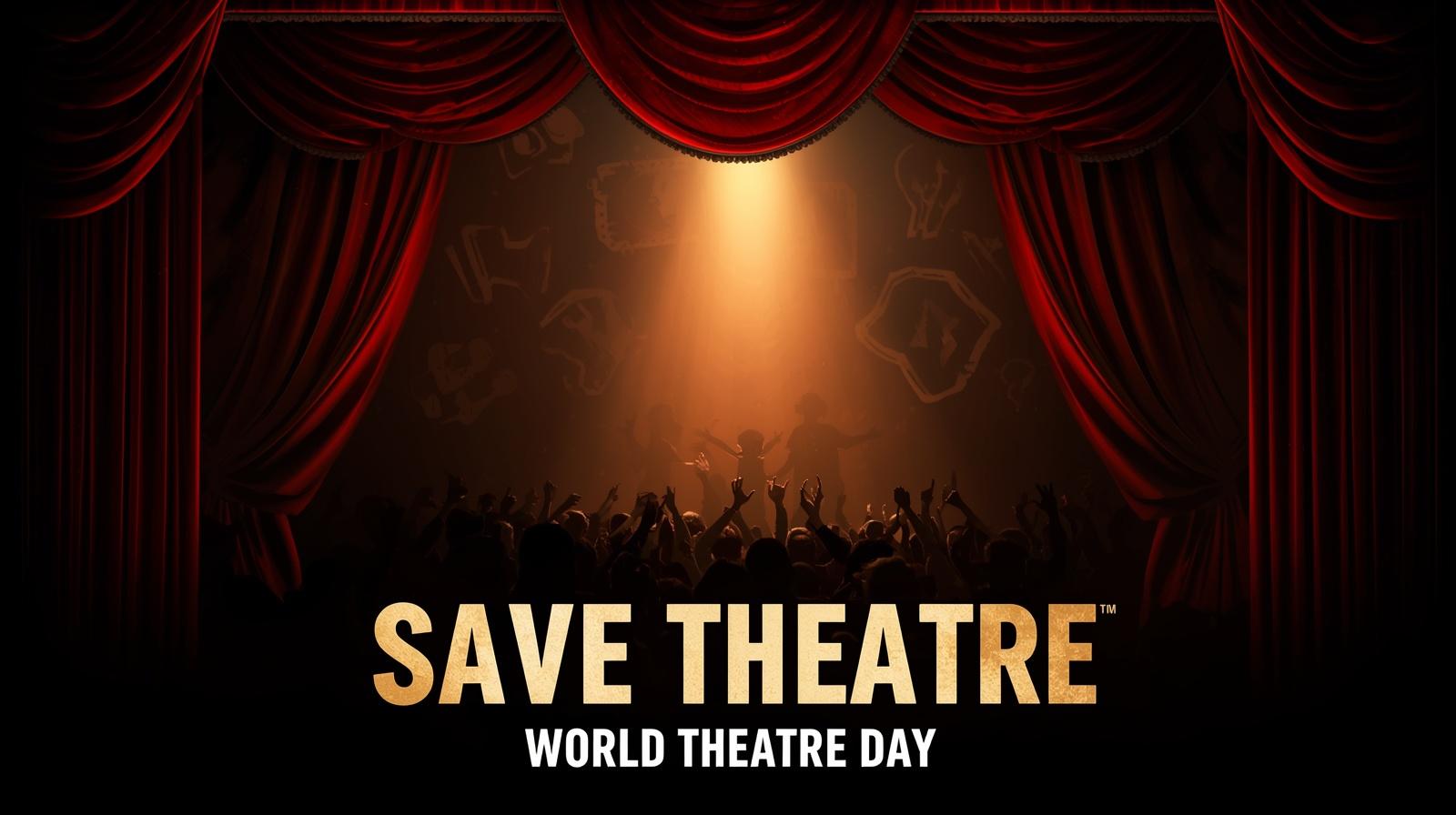
I am always reminded of my childhood days every time World Theatre Day gets celebrated on 27th March and the affluence of theatre and drama. The event was initiated in the year 1961 and is being celebrated since the year 1962 regularly at the international level with the aim of conveying the power of theatre, supporting artists, encouraging exchange of art and artists, and giving a message every year to the international community.
We were born and grew up about this time when theatre was comparatively affluent compared to its status today. The following may be cited as reasons for the decline in theatre;
- Rise and popularity of cinema.
- Rise and popularity of television.
- Rise and popularity of social media.
- Artists not sticking to theatre as a source of livelihood, as it is risky.
- Limited area of theatre for performance as compared to other sources of entertainment.
- Theatre no more being commercially viable.
- People managing entertainment in the drawing room.
- Lack of good scripts for production.
- Failure of theatre to adapt to changes and latest technology.
Though theatre has declined in stature and popularity, yet there can be no denying the fact that it is a powerful medium which not only gives delight to the audience but also holds the mirror up to society. William Shakespeare, the English playwright, had made drama popular worldwide with his plays. He even says that the world is but a stage and we all act on it.
The speciality of drama is that it is the only medium through which the artists come into direct contact with the audience. So what can we do to make drama popular;
- Procuring good scripts for production.
- Developing dedication on the part of people associated with theatre.
- Producing short duration plays to attract the audience, as people also run short of time in this fast world.
- Adapting to latest technology and stagecraft.
- Sticking to theatre as second profession where it is risky to make it the first profession.
- Government support to theatre and professional stage.
- Regular staging of plays on rotation by drama groups in a town or city in a particular theatre on a ticket basis. Life membership of interested people may also be taken.
- Government sponsored drama festival.
- Drama festival at the national and international level by both government and private organisations.
- Interest and patronage by the public.
- Publicity in all possible media.
No doubt we will go on celebrating World Theatre Day on 27th March every year. It is all the more important to do so now that theatre needs a revival. It is good that interested youth, by forming theatre groups, are staging plays and drama competitions for the promotion of theatre. Such efforts should be doubled.
Mere celebration of an event is not enough. On the occasion of World Theatre Day, we must see to it that theatre, both urban and rural opera, both professional and amateur theatre, and even radio and television drama, make all-round progress worldwide. Therein lies the success of celebrating World Theatre Day.
(The views expressed are the writer’s own)
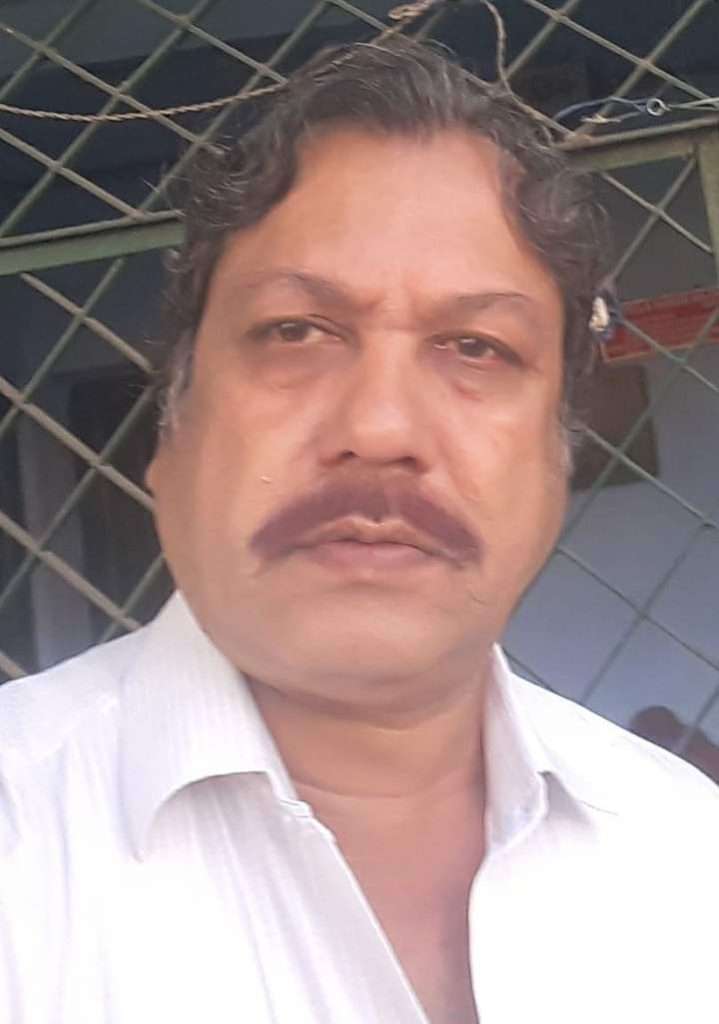
Mr. Prafulla Kumar Majhi,
Retired Asst. Director, A. I. R, is an eminent Scholar and freelance writer in English & Odia. His areas of interests are sociocultural, economic, literary, historical and analytical studies and writings.
Email: airprafulla61@gmail.com
Mobile.9861007190