

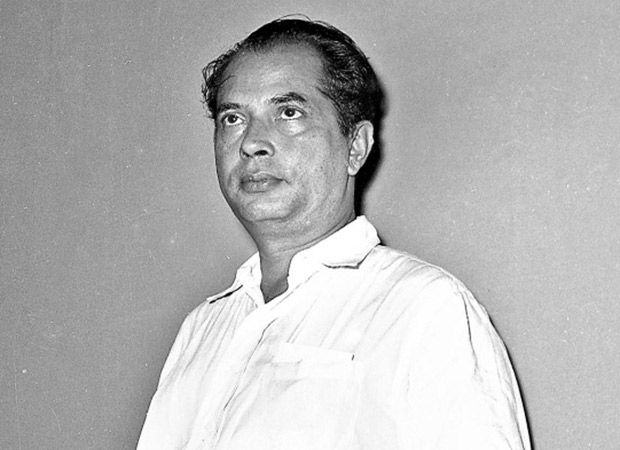
Bimal Roy was an Indian film director and well-known for his realistic and social films. He was born in 1909 in Dhaka, West Bengal (Bangladesh), and died in 1966 in Mumbai at the age of 56 years.
Bimal Roy started his film career as a cameraman at New Theatres, Calcutta. He was the famous cameraman of the famous film Devdas (1935), starring Kundal Lal Saigal, popularly known as K.L. Saigal. After some years, Bimal Roy shifted to Bombay along with his team in 1950. His team included Hrishikesh Mukherjee (editor), Nabendu Ghosh (screenwriter), Asit Sen (assistant director), Kamal Bose (cinematographer), and Salil Choudhury (music director).
In Bombay, Roy started with the film Maa (1952) for Bombay Talkies. He was a sensible director with an aesthetic sense. He was romantic, realist, and melodramatic.
He had an in-depth understanding of the human psyche. He made some outstanding films like Do Bigha Zamin (1953), Devdas (1955), Madhumati (1957), Bandini (1963), Sujata (1959), Parakh (1960), and Parineeta (1953).
He made Do Bigha Zamin with Balraj Sahni. It is a tragedy of rural Bengal. It is a tragedy of Indian poverty. Along with Mother India, Do Bigha Zamin was criticised in Parliament for showing Indian poverty to the world. Whatever that may be, Do Bigha Zamin was a realistic cinema directed by Bimal Roy.
Then he made Devdas (1955). In fact, it was a remake of the earlier Devdas, starring K.L. Saigal. But it was not just a remake of the earlier Devdas; it was an authentic transcription of Sarat Chatterjee’s immortal classic, Devdas.
In the earlier Devdas, Bimal Roy was the cameraman. That means Roy had seen the film from the closest range. So, he wanted to remake it with Dilip Kumar, the tragedian, Vyjayanthimala, and Suchitra Sen. It became an immense success. Before making it, he asked Dilip Kumar, “If you will do it, I will make it.” Dilip Kumar agreed, and history was made. One critic said, “Unlike Saigal, Dilip Kumar sang less and acted more.”
In 1958, he made Madhumati. The writer was Ritwik Ghatak. It was a theme of reincarnation. The music director was Salil Choudhury. The famous song, “Aaja Re Pardesi,” captivated the audience. Critics said it was the languorous call of Vyjayanthimala. It is interesting to note that Bimal Roy was not willing to include this song in Madhumati. But Salil Choudhury emphasised the inclusion of this song. Salil came out right. It was an immense success. Lata Mangeshkar got her first Filmfare Award for this song.
Likewise, all of Bimal Roy’s films were literary and appealed to our imagination. These films leave a lasting impact on our minds. He got many Filmfare Awards. Can we get another Bimal Roy? Perhaps not.
(The views expressed are the writer’s own.)
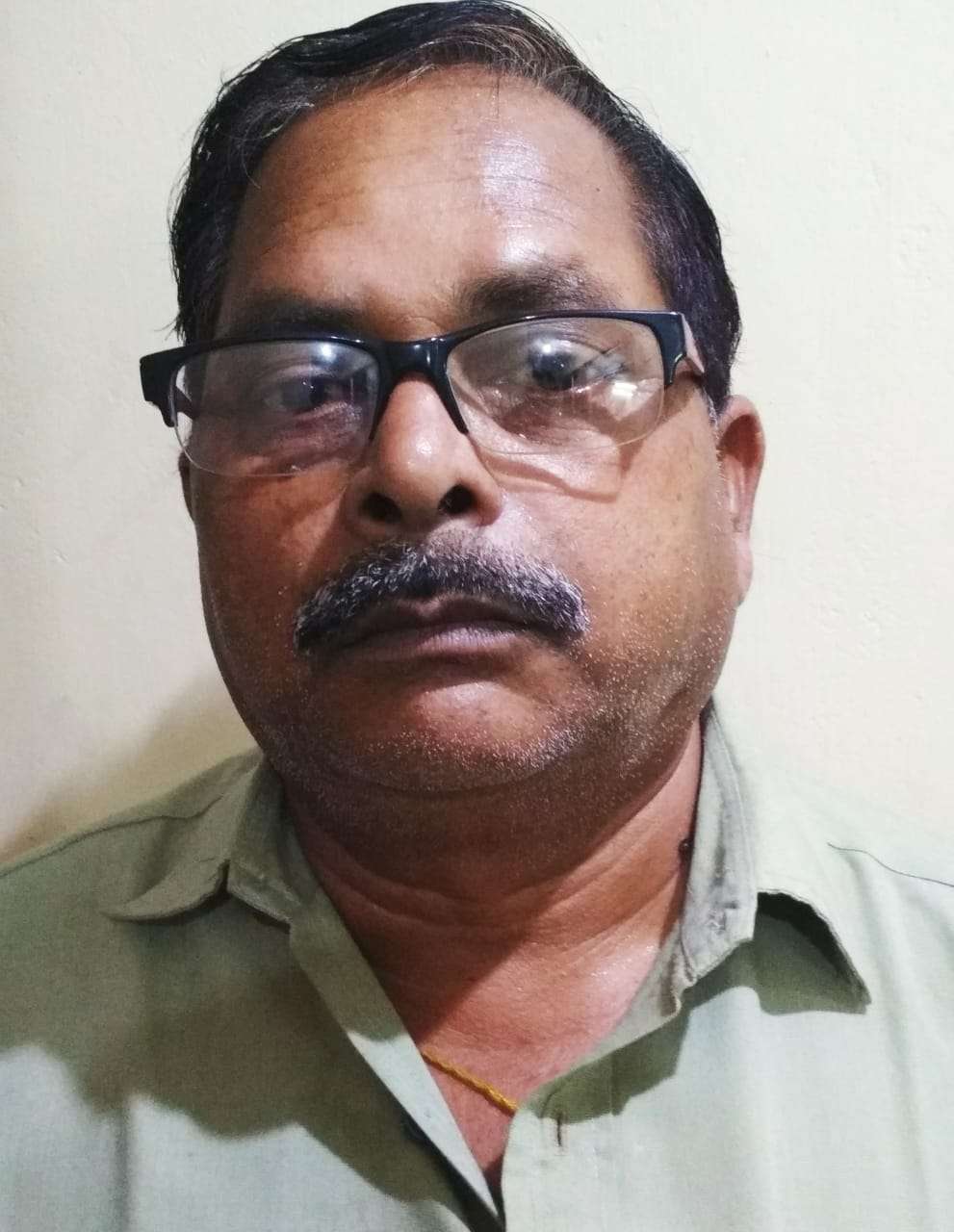
Radhakanta Seth is a Former Income tax officer in Sambalpur. He is a Freelance writer and his articles have been published in some Oriya dailies like Sambad, Samaj, Dharitri and English dailies like The Telegraph and in a sociological journal ‘Folklore’ published from Kolkata.
(Photo has collected from net )