

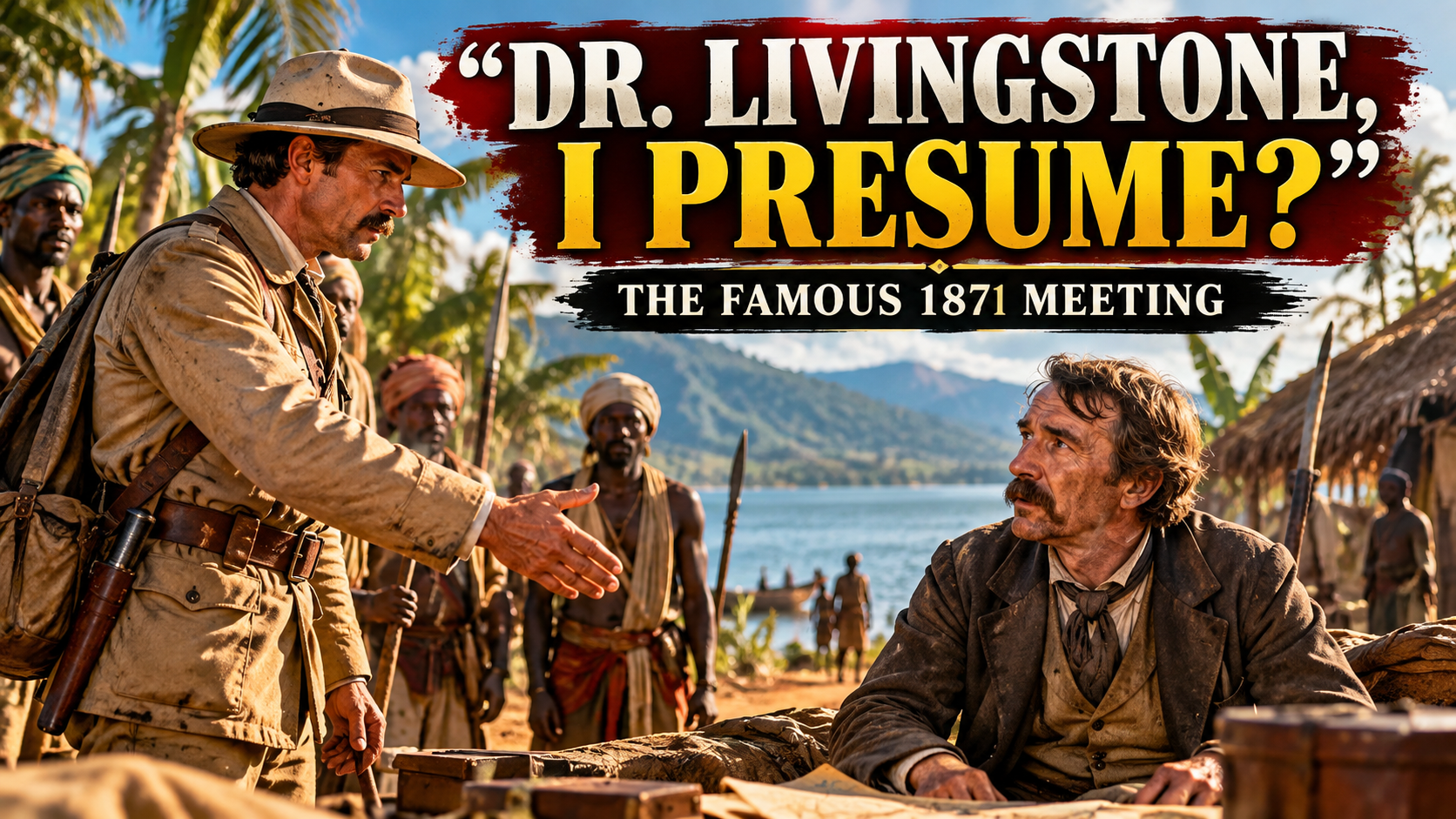
Henry Morton Stanley was an explorer, journalist, soldier, colonial administrator, author, and politician. He was born in 1841 and died in 1904. He was well known for two things: finding Livingstone and exploring Central Africa. His search for Livingstone was famous.
Dr. David Livingstone was missing on his third expedition into Africa—the dark continent. Mr. Stanley was sent to Africa to find Livingstone. After much effort, Stanley found Livingstone on the bank of Lake Tanganyika, in the village of Ujiji. After meeting Livingstone, Stanley said, “Dr. Livingstone, I presume.” This line became famous in world history.
For this, Stanley suffered a lot. During a 700-mile (1,100 km) expedition through the tropical forest, he ventured. Many of his followers deserted him, and the rest were decimated by tropical diseases. Stanley found Livingstone on 10 November 1871. After finding Livingstone, Stanley said, “Now I believe that my name is Mr. Stanley.” This is the sense of achievement.
The New York Herald’s own first account of the meeting, published on 1 July 1872, reports:
“Preserving a calmness of exterior before the Arabs, which was hard to simulate as he reached the group, Mr. Stanley said—Doctor Livingstone, I presume. A smile lit up the features of the pale white man as he answered—yes, and I feel thankful that I am here to welcome you.”
Stanley joined Livingstone in exploring the region, finding that there was no waterway from Lake Tanganyika to the Nile. On his return, Stanley wrote a book—How I Found Livingstone, Travels, Adventures and Discoveries in Central Africa (1872).
In the book Through the Dark Continent, Stanley observed, “The savage only respects force, power, boldness, and decision.” He further said, “If Europeans will only… study human nature in Africa, they will go home thoughtful men and may return again to this land to put to good use the wisdom they should have gained… during their peaceful sojourn.”
In How I Found Livingstone, Stanley said he was prepared to admit any black man passing the attributes of free manhood, or any good qualities… to a brotherhood with myself.
Among other achievements of Stanley are tracing the Congo River. He led a major expedition from 1874 to 1877 that mapped the Great Lakes of Central Africa. He traced the entire course of the Congo River to the Atlantic Ocean.
Pasha Relief Expedition—between 1886/1889, he led a dangerous mission to rescue Mehemed Pasha, the Governor of an Egyptian province cut off by a local revolt.
On the whole, Stanley’s achievement was remarkable. He not only found Livingstone; he did some further exploration along with Livingstone. Stanley’s name will be remembered in golden letters in the history of exploration of Africa. No doubt about it.
(The views expressed are the writer’s own.)
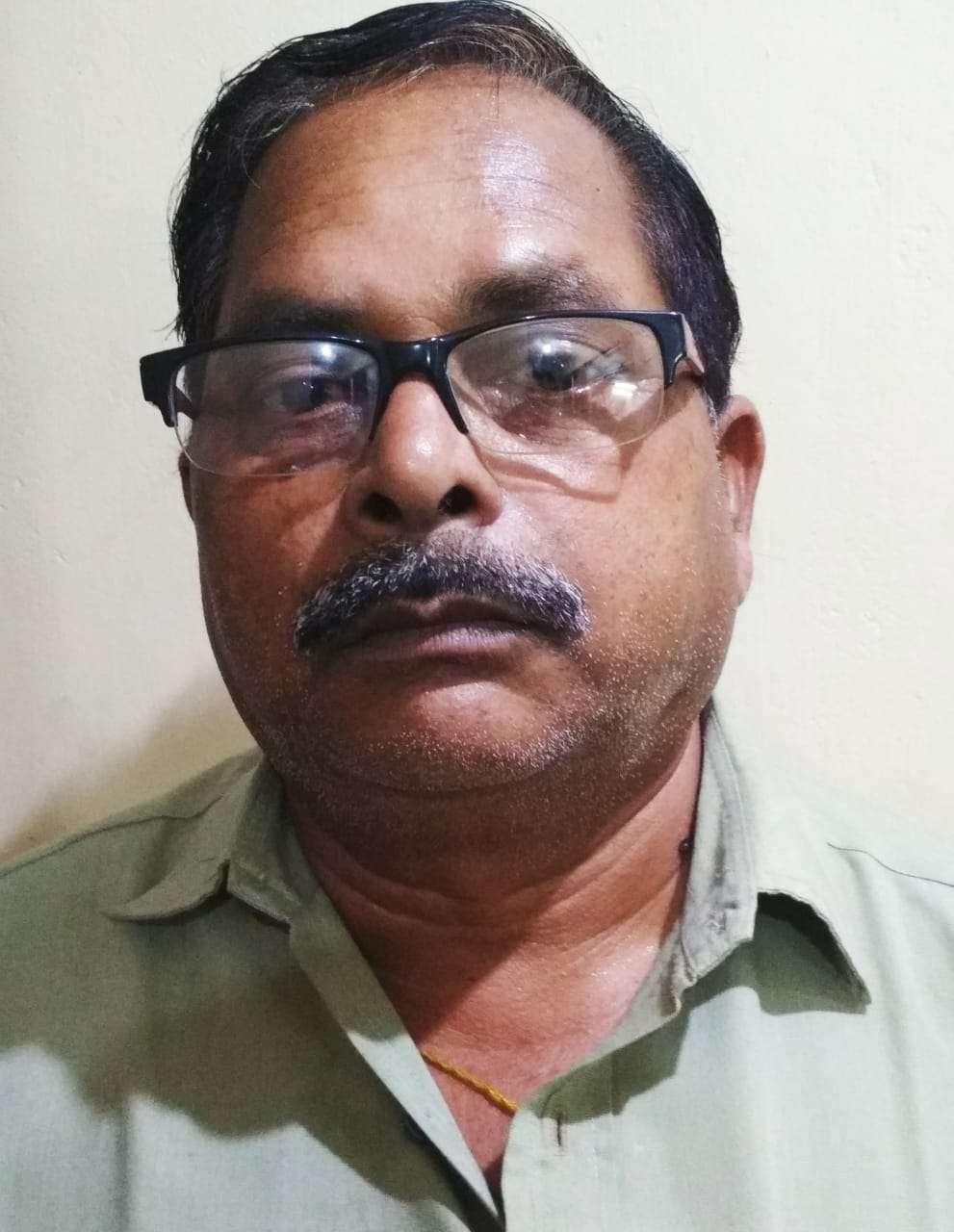
Radhakanta Seth is a Former Income tax officer in Sambalpur. He is a Freelance writer and his articles have been published in some Oriya dailies like Sambad, Samaj, Dharitri and English dailies like The Telegraph and in a sociological journal ‘Folklore’ published from Kolkata.
(Photo has collected from net )