


Prithviraj Kapoor was an Indian actor who was one of the founding fathers of Hindi cinema. He established the Prithvi Theatre in 1944 in Mumbai. He was born in 1906 and died in 1972.
Prithviraj Kapoor was born in British India in Lyallpur. His father was a police officer in the Indian Imperial Police. Prithviraj Kapoor was one of eight siblings (five boys and three girls). Kapoor’s childhood was largely spent in the Lyallpur district. Later, the family moved to Peshawar. Prithviraj studied B.A. and Law, but he became something else.
Prithviraj Kapoor started his career in the theatres of Lyallpur and Peshawar. In 1928, he moved to Mumbai. After doing roles in silent films, Prithviraj Kapoor played a supporting role in the first talkie, Alam Ara (1931). His role in Vidyapati (1937) was much appreciated. His best performance was as Alexander the Great in Sohrab Modi’s Sikander (1941). He was a versatile actor both on stage and on screen.
Prithvi Theatre was successful. In sixteen years, 2,662 performances were staged. Prithviraj was the lead actor in every show. One popular play was Pathan (1947). It is the story of a Muslim and his Hindu friend. In 1996, the Golden Jubilee year of the founding of Prithvi Theatre, India Post issued a special postage stamp of two rupees.
In later years, Prithviraj gave a memorable performance in Mughal-e-Azam (1960). He played Akbar in the film. His role as Porus in Sikandar-e-Azam was also commendable. His grandfather’s role in Kal Aaj Aur Kal, with his son Raj Kapoor and grandson Randhir Kapoor, was a memorable one. His father role in Dahej was very tragic.
Prithviraj Kapoor was an outstanding actor. His dialogue delivery was unique. In Mughal-e-Azam, he said to Anarkali, “Main tumko ek gumnaam zindagi ke siwa aur kuch nahi de sakta.” In the film Dahej, his daughter said to him, “Pitaji, tum sab kuch laye ho, ek cheez bhul gaye — kafan.”
Prithviraj Kapoor’s figure was fatherly. In the film Anandamath, his presence was charismatic. His song with Geeta Bali, “Jay Jagadisha Hare,” is unforgettable.
Many actors have come and gone, but no actor was like Prithviraj Kapoor. He was also a product of New Theatre, Calcutta, where K.L. Saigal was reigning as a singer-actor. Prithviraj was a contemporary of Saigal.
Prithviraj Kapoor gave a definite direction to Hindi films. He was committed as never before. We never find such a dedicated person as Prithviraj Kapoor in the film industry. After him, his sons and grandsons captivated the audience. This was his legacy.
That is why Prithviraj Kapoor was awarded the Dadasaheb Phalke Award posthumously in 1972. He also received the Padma Bhushan in 1969.
In the sky of Mumbai Talkies, Prithviraj Kapoor was a shining star. There is no doubt about it.
(The views expressed are the writer’s own.)
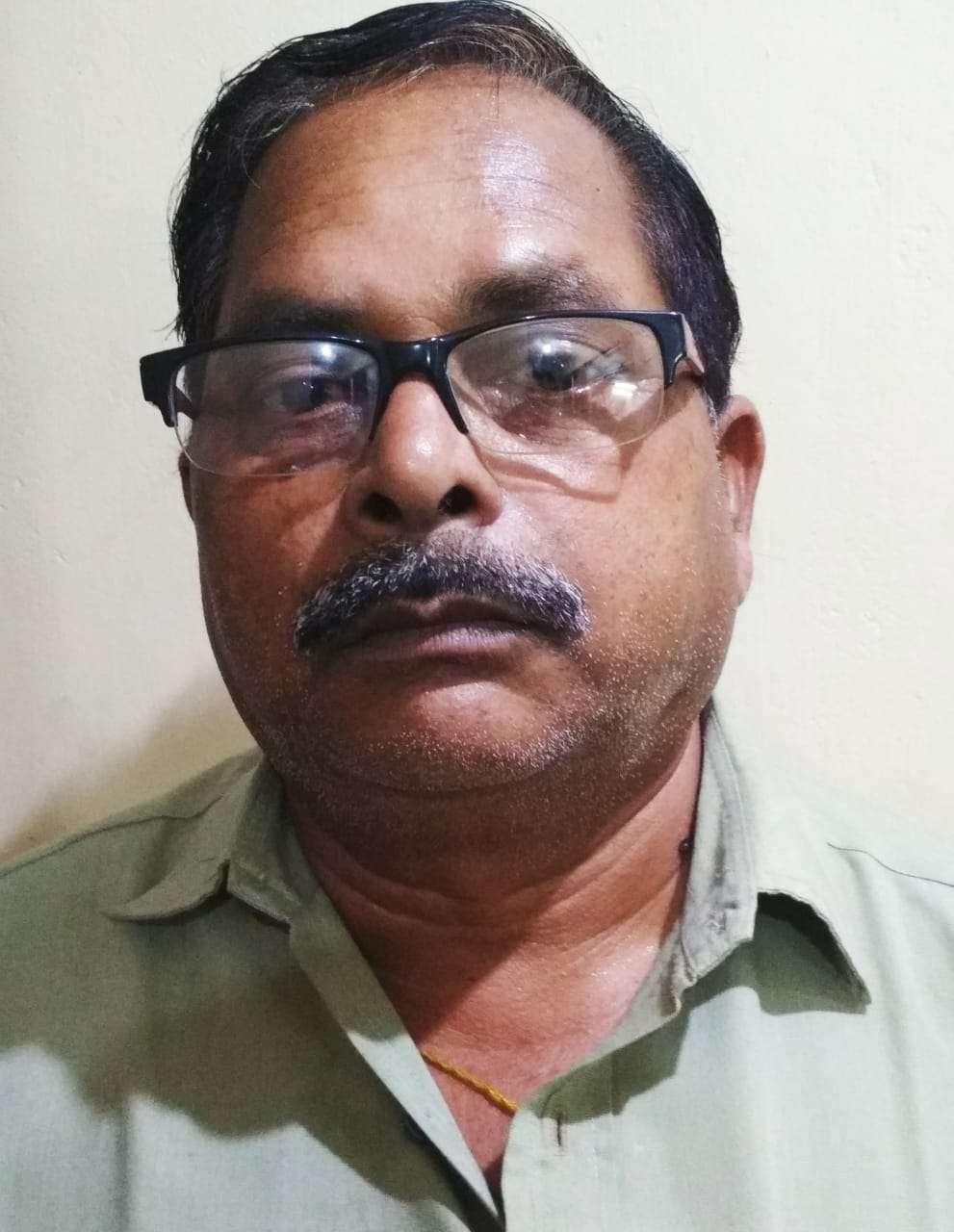
Radhakanta Seth is a Former Income tax officer in Sambalpur. He is a Freelance writer and his articles have been published in some Oriya dailies like Sambad, Samaj, Dharitri and English dailies like The Telegraph and in a sociological journal ‘Folklore’ published from Kolkata.
(Photo has collected from net )